
- Project acronym: MicPlaPROB
- Project No.: 2021-1-SI01-KA210-VET-000034536
- Project start date: 1.11.2021
- Project duration: 18 months
- Project end date: 1.5.2023
- Key Action: KA2 – Small Scale Projects
- Visit the project website
MicPlaPROB (Microplastics: Tomorrow’s Macro Problem) is an Erasmus+ project dedicated to raising awareness about one of the fastest-growing environmental challenges of our time – microplastic pollution. Although microplastics are often invisible to the naked eye, they have become a global concern due to their presence in water, soil, air and even the food chain. The project aims to help young people, educators and professionals better understand the causes, impacts and prevention of microplastic pollution through innovative digital learning approaches.
The project developed a range of educational resources, including online courses, webinars and interactive learning materials that make complex environmental topics more accessible and engaging. By combining environmental science with digital education, MicPlaPROB encourages learners to develop both green and digital competences while exploring practical solutions for reducing plastic pollution in everyday life.
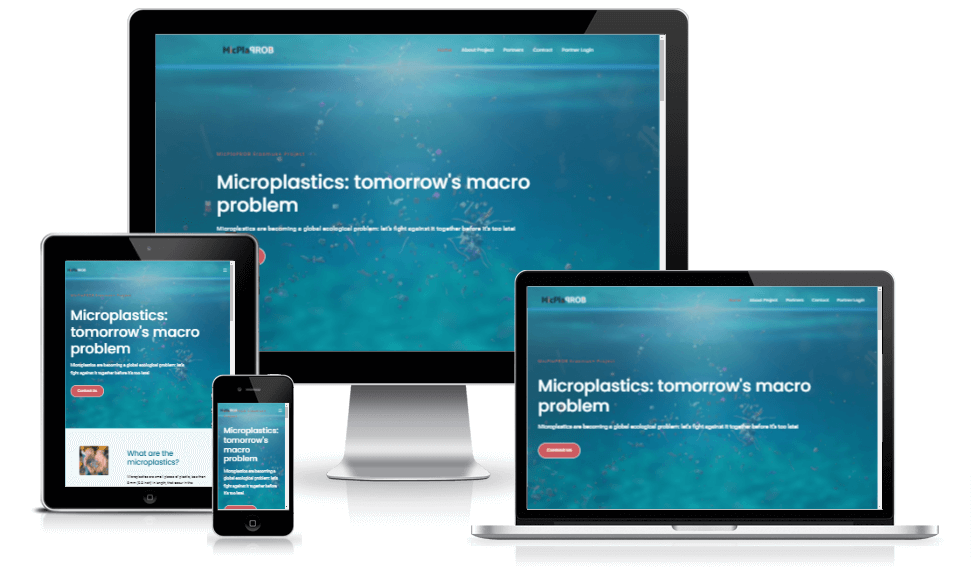
At DERMOL Digital Business Solutions, we coordinated the project and led the development of its digital infrastructure, online learning environment and communication activities. Our role included designing the project website, supporting dissemination and creating user-friendly digital solutions that enabled participants to access educational content and collaborate throughout the project.
Beyond its educational outcomes, MicPlaPROB helped build greater awareness of environmental responsibility among students, teachers and the wider community. By encouraging international cooperation and sharing good practices between project partners, the initiative contributed to promoting sustainable behaviours and supporting the European transition towards a greener and more environmentally conscious society. Although the project has officially concluded, its learning materials and results continue to serve as valuable resources for educators and organisations working in environmental education.



